
Abraham is one of the most important figures in the Bible — the father of the covenant, a model of faith, and the beginning of God's promise to bless all nations. This article explores his calling, family, character, and lasting significance.
Introduction
Abraham is one of the most important figures in the Bible. He is the ancestor of Israel, the father of the covenant line, and a model of faith and obedience. His story is mainly recorded in Genesis 11:27–25:11, but his significance reaches far beyond Genesis. Through Abraham, the Bible introduces major themes such as promise, covenant, land, descendants, faith, election, and blessing to all nations.
In the Old Testament, Abraham is not presented merely as a private individual. He becomes the beginning of Israel's identity as the people of God. God calls him, promises him descendants, gives him the hope of land, and declares that through him all the families of the earth will be blessed. For this reason, Abraham is central not only to the Pentateuch but also to the whole biblical story.
What Does the Name Abraham Mean?
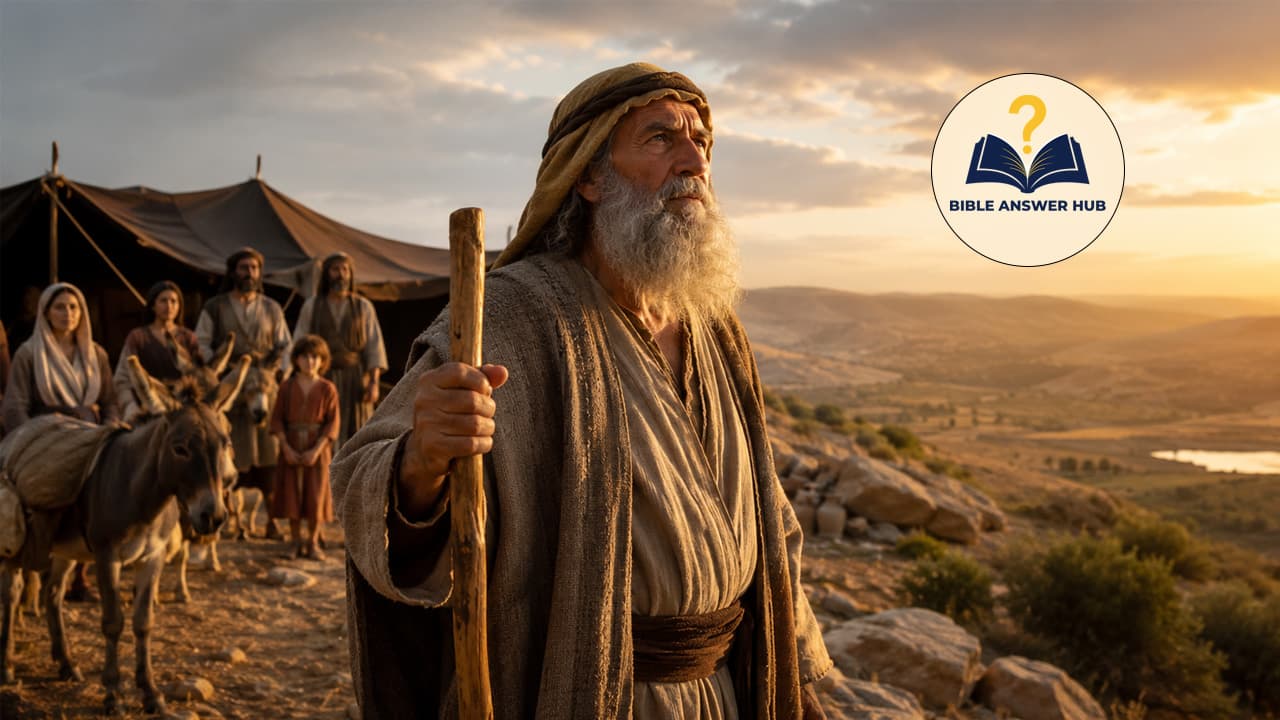
Abraham was first called Abram. The name Abram probably means "exalted father." Later, in Genesis 17:5, God changes his name from Abram to Abraham, explaining that he will become "the father of a multitude of nations." This name change is important because it marks a new stage in God's covenant promise.
The book of Genesis uses these two names carefully. "Abram" is used before Genesis 17, while "Abraham" is used after God establishes the covenant of circumcision. This shows that the name change is not accidental. It has theological meaning: Abraham's identity is now shaped by God's promise that his descendants will become many and that blessing will extend beyond one family to many nations.
What Was Abraham's Calling?
Abraham's journey begins when God calls him to leave his country, his relatives, and his father's house. He moves from Ur to Haran and then to Canaan. This journey is not only geographical; it is spiritual. Abraham leaves security behind and begins to live by faith in God's promise.
God's promise to Abraham has three main parts: descendants, land, and blessing. Abraham's descendants will become a great nation; they will receive the land of Canaan; and through Abraham, all families of the earth will be blessed. These promises become the foundation for the rest of the biblical story.
Yet Abraham's faith was not perfect. During famine, he went down to Egypt and presented Sarah as his sister, placing her and the promised line in danger. Later, a similar event happened with Abimelech. These stories show Abraham's weakness, but they also show God's faithfulness. God protected Sarah and preserved the promise.
Why Are Lot, Ishmael, and Isaac Important?
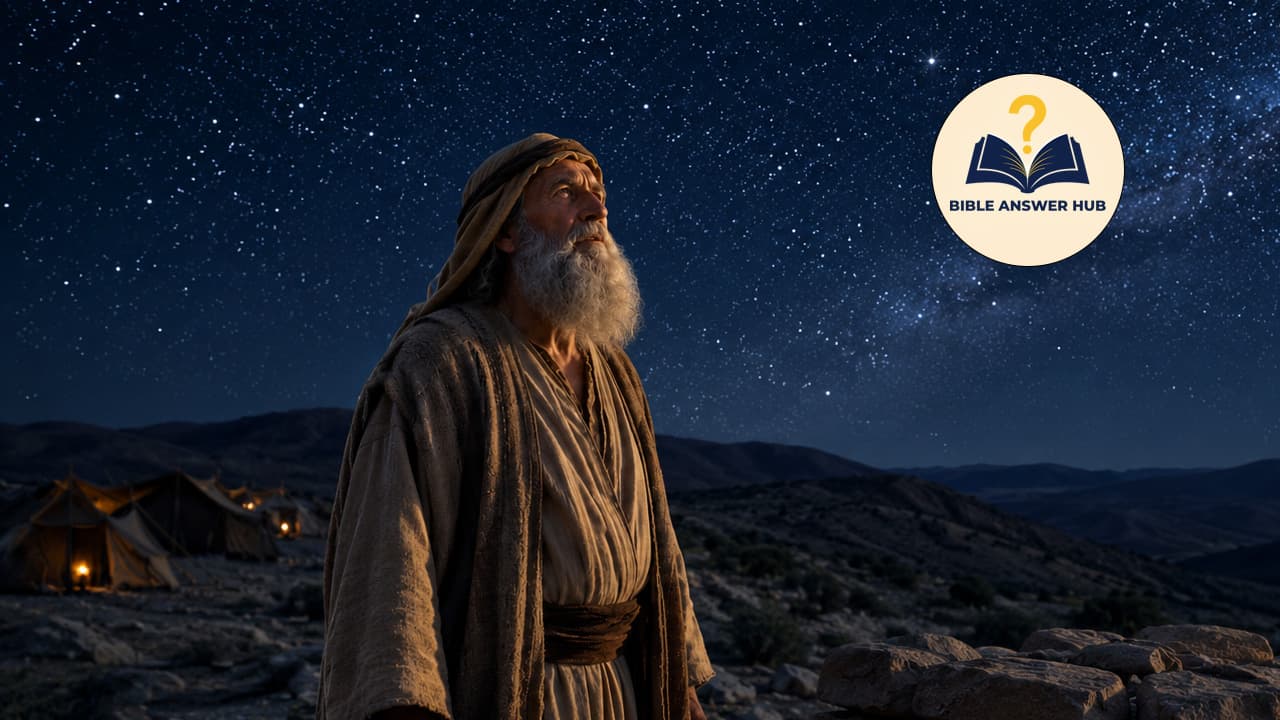
Lot is important because he appears early in Abraham's story as a possible heir. Since Abraham and Sarah had no child, Lot's role raises the question of how God's promise would be fulfilled. However, Lot separates from Abraham, and God renews the promise of land and descendants directly to Abraham.
Ishmael is also important. Abraham had Ishmael through Hagar, Sarah's Egyptian servant. Ishmael receives blessing and the promise of many descendants, but he is not the covenant heir. God makes clear that the covenant line will continue through Isaac, the son of Sarah.
Isaac is therefore central. Through Isaac, the special line of Abraham continues. The promise of blessing to the nations will not come through every descendant of Abraham in the same way, but through the covenant line chosen by God.
What Kind of Character Did Abraham Have?
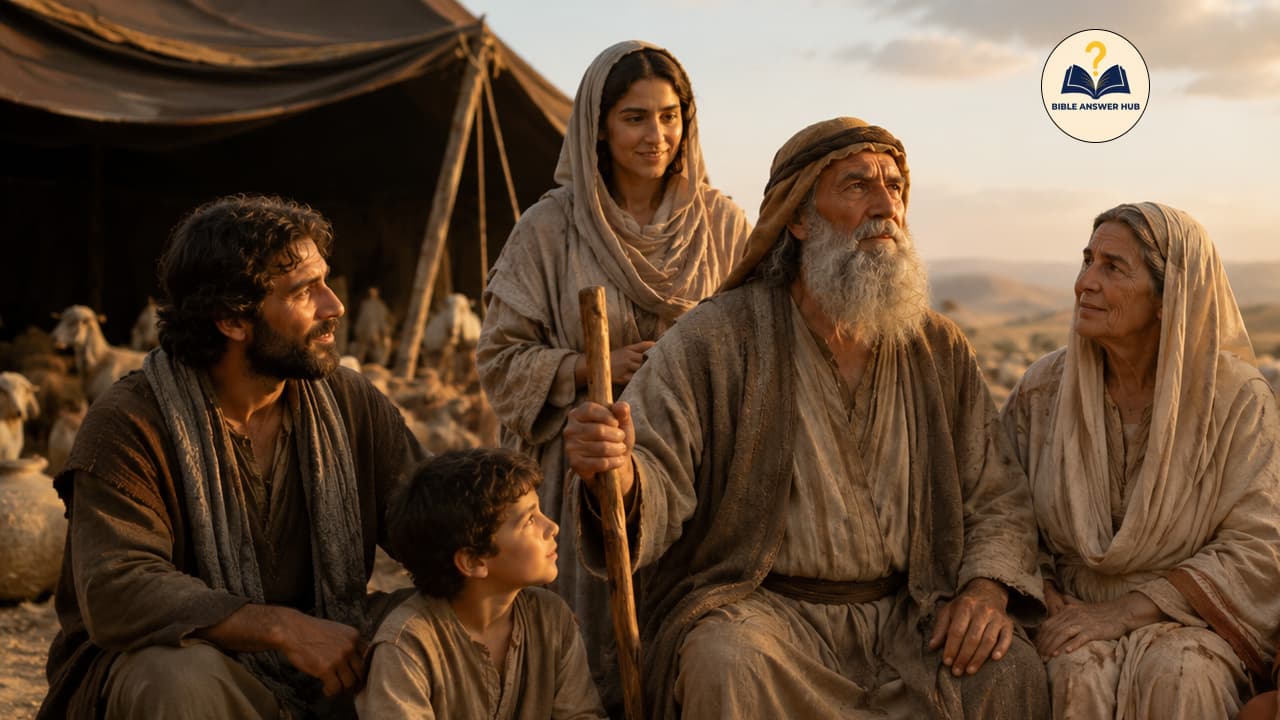
The main word that describes Abraham's character is faith. Abraham believed God's promise even when the situation looked impossible. Genesis 15:6 says that Abraham believed the Lord, and it was counted to him as righteousness. This verse becomes one of the most important biblical texts about faith.
Abraham's faith can be seen in his obedience. He left his homeland, allowed Lot to choose land first, gave a tithe to Melchizedek, refused the spoils of war, circumcised his household, sent away Hagar and Ishmael when God commanded, and was even willing to offer Isaac in Genesis 22.
However, Abraham's faith included struggle. He questioned God, laughed at the promise of a child in old age, and sometimes acted out of fear. This makes Abraham realistic. He was not a perfect man without doubt. Rather, he was a man whose faith grew through testing. In the end, his trust in God triumphed over his fear.
What Was Abraham's Religion?
Abraham's religion is connected with the identity of the God he worshiped. Genesis uses different divine names and titles in the patriarchal stories, such as El Elyon, El Shaddai, El Olam, and Yahweh. Scholars have debated whether these names show different earlier traditions or different titles for the same God.
In the final form of Genesis, Abraham is clearly presented as a worshiper of Yahweh, the God later worshiped by Israel. Abraham builds altars, prays, offers sacrifice, receives covenant signs, gives tithes, and walks before God. His worship was not identical to later Mosaic worship, because the tabernacle, priesthood, and exodus celebration had not yet been established. Still, Abraham's faith and worship are connected to later Israelite faith because both are centered on Yahweh's unique relationship with Abraham and his descendants.
Who Were Abraham's Family Members?
Abraham's father was Terah, a descendant of Shem. Abraham had two brothers, Nahor and Haran. Haran was the father of Lot, and Nahor became the ancestor of Rebekah, Isaac's wife.
Sarah, Abraham's wife, is central to the story. Her barrenness creates the main tension in the narrative because God promises descendants, yet Sarah cannot have children. Hagar, Sarah's servant, becomes the mother of Ishmael. Later, after Sarah's death, Abraham also has children through Keturah, but Isaac alone remains the covenant heir.
This family structure shows that God's promise is not fulfilled merely through natural descent. God chooses the line through which the covenant promise will continue.
Why Is Abraham Important in the Bible?
Abraham's significance is national, historical, and theological.
Nationally, Abraham is the ancestor of Israel. Israel's identity, land promise, and knowledge of God are traced back to him. The God of Israel is repeatedly called the God of Abraham, Isaac, and Jacob.
Historically, scholars debate the exact date of Abraham. Genesis does not give an absolute date connected to outside history. However, many features of Abraham's life, such as migration, semi-nomadic living, family customs, and social patterns, fit well within the early second millennium BC.
Theologically, Abraham marks a new stage in God's plan of salvation. After Adam and Noah, Abraham becomes the person through whom God begins a covenant plan that will lead to Israel and ultimately to blessing for all nations. Genesis 12:1–3 becomes a program for the rest of the Bible.
The promise of descendants begins to be fulfilled when Israel multiplies in Egypt. The promise of land moves toward fulfillment in the conquest and monarchy. The promise of blessing to the nations remains a major hope throughout the Old Testament and finds its ultimate fulfillment in Jesus Christ, the royal descendant of Abraham. Through Christ, the blessing promised to Abraham reaches all nations.
Conclusion
Abraham is more than Israel's ancestor. He is the father of faith, the receiver of divine promise, the covenant partner of God, and the beginning of the biblical story of blessing to the nations. His life shows both human weakness and divine faithfulness. Abraham believed God, struggled with doubt, obeyed through testing, and became the model for all who live by faith.
For this reason, Abraham remains one of the most important theological figures in the Bible. To understand Abraham is to understand the beginning of God's covenant plan for Israel and for the whole world.
Sources
- R. E. Clements, "Abraham," in Theological Dictionary of the Old Testament, ed. G. Johannes Botterweck and Helmer Ringgren, trans. John T. Willis, vol. 1 (Grand Rapids: Eerdmans, 1974; repr., 1997), 52–58.
- P. R. Williamson, "Abraham," in Dictionary of the Old Testament: Pentateuch, ed. T. Desmond Alexander and David W. Baker (Downers Grove, IL: InterVarsity Press, 2003), 8–17.